
Master Key Systems vs. Keyless Access Control: When to Make the Switch
REQUEST SERVICEMaster Key Systems vs. Keyless Access Control: When to Make the Switch
If you manage a commercial property, a facility with multiple tenants, or a growing business with more doors than you can keep track of, you've probably asked yourself the same question we hear from clients across Utah and Arizona every week: should we stick with a master key system, or is it time to go keyless? We've spent nearly three decades helping property managers, facility directors, and business owners answer that exact question, and the honest answer is: it depends on your building, your staff, and how much control you need over who goes where. Below, we'll walk through both systems in detail so you can make the call with confidence.
Understanding Access Systems in Today's Security Landscape
Access control has come a long way from a simple lock and key, but that doesn't mean traditional keying is obsolete. Today, most commercial properties choose between two proven approaches: a mechanical
master key system built around a physical key hierarchy, or a
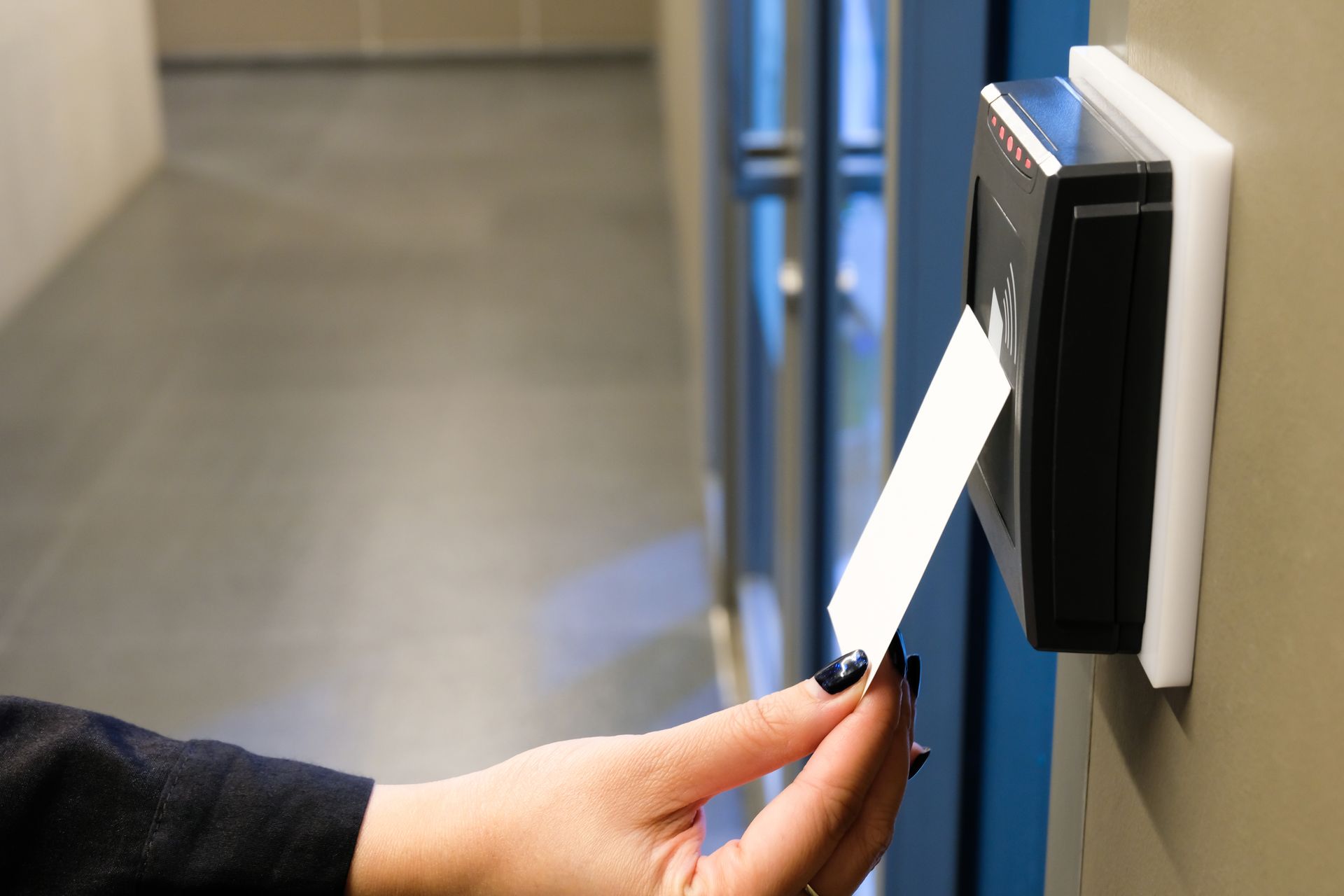
keyless access control system that manages entry through credentials like fobs, cards, mobile apps, or PIN codes. Neither option is universally "better"—each solves a different set of problems, and many of our commercial clients actually run a hybrid of both across different parts of their property.
How Master Key System Design Establishes Secure Access Hierarchies
A master key system works by building a hierarchy of keys, each cut to open a specific set of locks. A property manager might carry a master key that opens every unit, while individual tenants or department heads carry sub-master keys that open only their assigned areas, and employees carry change keys that open a single door. This tiered structure gives multi-tenant buildings, office complexes, and franchise operations a way to control access without handing every person the same level of entry. We design these hierarchies around your organizational chart, not the other way around, so the key structure actually mirrors how your building operates.
Traditional Keying Systems and Their Day-to-Day Use
Day to day, a well-designed master key system is simple: keys don't need batteries, don't need Wi-Fi, and don't require anyone to learn an app. Staff use the same key every day, managers carry one key instead of a dozen, and there's no login screen standing between an employee and the door. That simplicity is exactly why master key systems remain a go-to option for smaller commercial buildings, storage facilities, and properties where staff turnover is low and access patterns rarely change.
Key Benefits and Drawbacks of Master Key and Keyless Access Systems
Every access system is a trade-off between simplicity, cost, and control. Here's how the two stack up.
Master Key System Benefits for Cost-Effective and Scalable Management
Master key systems are typically less expensive to install than a full access control platform, especially for buildings with a modest number of doors. There's no ongoing software subscription, no network infrastructure to maintain, and the hierarchy can scale as your property grows simply by cutting additional keys within the existing structure. For landlords and property managers juggling tight operating budgets, that lower up-front and ongoing cost is often the deciding factor, and we always walk clients through financing options when a larger rekey or system redesign is on the table.
Traditional System Drawbacks and Security Challenges
The trade-off is control. Once a key leaves your hands, you lose visibility into who's using it, when, and where. A lost key, a departing employee who doesn't turn theirs in, or an unauthorized copy made at a hardware store can quietly compromise your entire hierarchy. At that point, the only real fix is a full
rekey—which means new cylinders and new keys for everyone on that branch of the hierarchy. For businesses with frequent staff turnover, that cost adds up fast, and it's one of the most common reasons we see clients start exploring keyless options.
Security and Control: Comparing Access Management and Tracking Features
This is where the two systems diverge the most, and it's usually the deciding factor for businesses that outgrow traditional keying.
How Keyless Access Control Enhances Security and Accountability
A cloud-based keyless system lets you see exactly who entered which door and when, right from a dashboard on your phone or computer. If an employee leaves the company, you revoke their credential remotely in seconds instead of rekeying a lock. If someone loses a fob or phone, you disable it immediately rather than wondering who might pick it up. Many of our commercial clients—especially medical offices, retail locations, and multi-tenant properties—tell us this real-time visibility is the single biggest reason they made the switch.
Maximized Control Through Master Key Hierarchies and Permissions
That said, a mechanical master key hierarchy still offers a meaningful form of control, particularly for properties where digital infrastructure isn't practical or necessary. A well-planned hierarchy limits exactly which doors each key can open, and a properly restricted keyway makes unauthorized duplication difficult. For buildings where connectivity is unreliable, or where a simple, self-contained system is preferred, a professionally designed master key system still provides layered, deliberate control—just through hardware instead of software.
Implementation and Operational Considerations for Access Control
Choosing between these systems isn't just about the technology—it's about how the system fits into your daily operations.
Planning and Designing Your Access System to Fit Security Objectives
Before recommending either system, we start with a site assessment: how many doors, how many access levels, how often does staff turn over, and what's your growth plan for the next few years? A property expecting to add tenants or departments will usually get more long-term value from a scalable
access control platform, while a stable, single-tenant building may never need to go beyond a well-designed key hierarchy.
Installation and Upgradability: Comparing Locking and Digital Systems
Master key systems are typically faster and less disruptive to install, since they work with standard mechanical hardware many buildings already have in place. Keyless systems require more upfront planning—wiring, power, and network considerations at each door—but once installed, they're far easier to expand or reconfigure. Adding a new employee, a new schedule, or a new door to a keyless system is usually a software update rather than a locksmith visit, which matters a great deal for businesses that expect to keep growing.
Real-World Applications: Master Key Systems and Digital Access Solutions
Theory is useful, but most decisions come down to how a system performs in an actual building.
Facilities Master Systems: Case Studies from Schools and Religious Institutions
Schools, daycares, and churches present a unique access challenge: large facilities, high foot traffic, volunteer and staff turnover, and a genuine need to know exactly who has access to classrooms, nurseries, and shared spaces. We've worked with facilities across Utah to design layered solutions—often a master key hierarchy for general building access paired with keyless credentials on the doors that matter most, like classroom wings, nursery check-in areas, or after-hours entrances. For these organizations, the ability to instantly revoke a volunteer's or departed employee's access, without rekeying the entire building, is often the deciding factor.
Customer Success: Upgrading to Digital Locking and Flexible Permissions
We've also worked with property managers who inherited an aging master key system with no record of how many keys were ever cut, and no way to know who still held one. In those cases, moving to a keyless platform doesn't just modernize the building—it resets the slate entirely. Every credential is accounted for, permissions are set by role instead of by physical key, and schedules can restrict access to business hours automatically, cutting down on after-hours incidents without anyone having to manually lock down each door.
Decision-Making Guide: When to Transition from Master Key to Keyless Access
If you're still weighing the decision, here's how we recommend approaching it.
Evaluating Security Needs and Defining Your Access Objectives
Start with your actual risk profile. How often does staff turn over? How many tenants or departments need distinct access levels? Do you need a record of who entered a space and when, for compliance, liability, or simple peace of mind? If accountability and real-time visibility matter to your operation, that's a strong signal it's time to explore
keyless access control
.
Weighing Cost-Effectiveness and Maintenance for Long-Term Value
Next, look past the installation invoice to the long-term cost of each option. Factor in how often you'd realistically need to rekey a master system due to lost keys or turnover, versus the ongoing cost of a cloud-based platform. For many businesses, the math favors keyless well within a few years—but for smaller, stable properties, a well-maintained key hierarchy can remain the more cost-effective choice indefinitely.
Professional Support for Access System Design, Upgrade, and Integrity
Whichever direction makes sense for your property, the system is only as good as its design and installation. A master key hierarchy that isn't planned correctly creates security gaps; a keyless system installed without the right site assessment leads to dead zones, confused staff, and doors that don't lock when they should.
Choosing a Locksmith Service and Best Practices for System Integrity
Since 1995, we've helped businesses across Provo, Salt Lake City, Phoenix, and the surrounding areas design, install, and maintain both master key hierarchies and keyless access platforms—and we're fully licensed and insured for every job we take on. Whether you need
commercial locksmith services to redesign a key hierarchy, want to explore what a modern access control platform could look like for your building, or you're simply not sure which option fits your property, our team offers free phone tech support to walk through the details before you commit to anything. Take a look at our
access control guide for a deeper breakdown of the technology, or
request a service quote and we'll assess your building in person.
Arcolock