How Much Does a Commercial Access Control System Cost in Utah & Arizona? (2026 Guide)
REQUEST SERVICEHow Much Does a Commercial Access Control System Cost in Utah and Arizona? (2026 Guide)
Looking for straight answers about the true cost of installing a commercial access control system in Utah or Arizona? You’re in the right place. This 2026 guide digs deep into the real numbers, tackling everything from hardware and installation to hidden fees and long-term expenses that tend to surprise the unprepared.
We know first-hand that pricing isn’t always clear–especially when choices range from simple keypads to advanced biometric readers, and every provider claims theirs is “the best value.” Here, we cut through the noise to deliver the transparency businesses need, powered by current regional data.
Whether you run a small storefront in Salt Lake City or manage a sprawling facility in Phoenix, our focus is on what genuinely matters for your decision–from first dollar out the door to the last fee on your bill.
Understanding Commercial Access Control System Costs in Utah and Arizona
When it comes to the cost of
commercial access control in Utah and Arizona, it’s not just about the sticker price you see on a website or brochure. There’s a mix of regional realities, business goals, and the ever-growing menu of tech options that all play a part in what you’ll actually pay. Understanding the basics—what access control really means for a business, the types of systems on the market, and the range you might expect to spend—is the first critical step.
The landscape here looks different than elsewhere in the country. Urban areas like Phoenix, Salt Lake City,
Provo and their suburbs might see better installer availability and competitive rates, but rural spots often contend with higher labor fees, longer waits, and extra permitting hurdles. These local differences--paired with everything from compliance requirements to climate and building challenges--make budgeting a bit like assembling a puzzle.
Choosing access control is about more than just keeping doors locked. It’s about protecting what matters most, maintaining compliance, and adapting to a business environment where security expectations keep climbing. From first-time buyers to organizations ready to upgrade, the cost to get secure (and stay secure) continues to be a top concern for business owners and managers in our region.
Before jumping into the nuts and bolts, let’s ground ourselves in the “why” and “what” behind these systems—then we’ll break down popular system types with realistic cost ranges for Utah and Arizona below.
Why Businesses Invest in Commercial Access Control
Commercial access control isn’t just about locking doors—it’s about protecting employees, assets, and sensitive data in a world where threats are always changing. For businesses across Utah and Arizona, robust access systems are now essential for preventing unauthorized entry, reducing theft, and streamlining who has access to different areas.
As our cities expand and regulations grow tighter, especially in healthcare and finance, companies face rising scrutiny to manage both staff and visitor movement. Electronic door control helps with compliance, keeps audit trails, and responds to local security concerns—key reasons more organizations in the region are shifting away from old-fashioned keys. Learn more about the benefits by visiting our
comprehensive access control guide.
Basic Breakdown of System Types and Entry-Level Costs
Let’s get real about what’s out there and what you can expect to pay per door in Utah and Arizona. While costs always fluctuate based on custom needs, here’s a quick rundown of the most common commercial access control system types:
- Basic Card or Fob SystemsKeycards or fobs are scanned at a reader to unlock doors.
- Entry-level cost: $900–$1,600 per door (includes reader, controller, basic software, and standard strikes).
- Popular in small offices and shops needing core security without all the bells and whistles.
- Keypad SystemsStaff enter PIN codes instead of using cards or fobs.
- Entry-level cost: $950–$1,700 per door, sometimes higher for weatherproof or vandal-resistant units.
- Best for roles with frequent code changes or temporary visitors (think gyms or clinics).
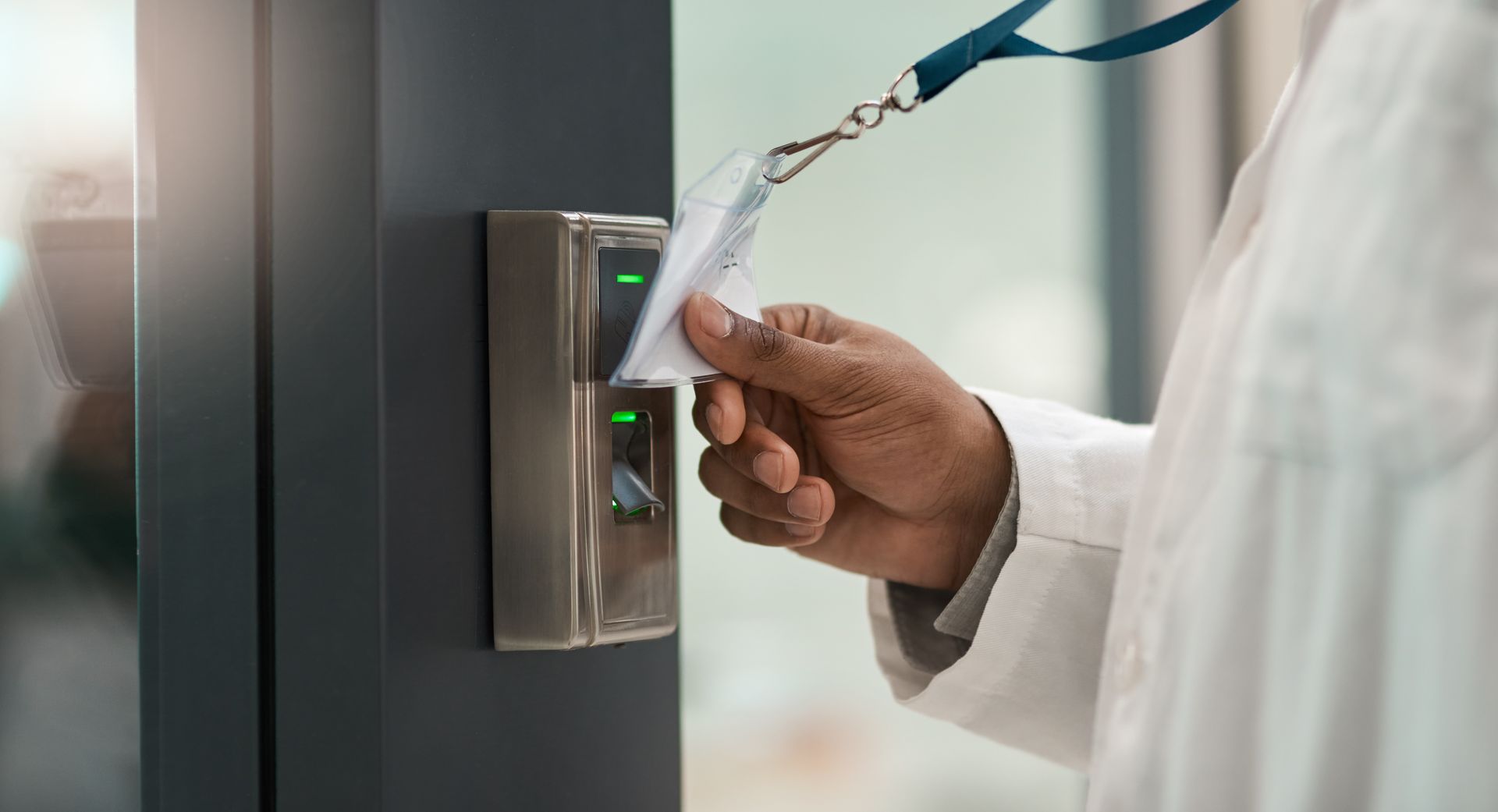
- Biometric ReadersUse fingerprints, facial scans, or palm readers for serious security.
- Entry-level cost: $2,000–$3,500+ per door, reflecting hardware and advanced integration needs.
- Common in data centers, healthcare, or anywhere high-level identity verification is a must.
Keep in mind, these prices include typical Utah/Arizona labor and hardware rates—but don’t cover advanced integrations, special door hardware, or extended warranties. For more on the technology behind these systems and why businesses upgrade, check out our
keyless access control systems breakdown.
Key Cost Factors Influencing Quotes in Utah and Arizona
There’s no such thing as a one-size-fits-all quote for access control—especially not in the Southwest. What you pay depends on a mix of physical, technical, and even regulatory variables, with everything from the size and use of your building to your industry’s compliance needs affecting the total.
Regional factors are just as important. Labor rates can jump in rural towns where finding a certified installer is a challenge. Urban centers might face stricter permitting or code requirements (think fire marshal or ADA compliance) that add both direct and indirect costs and sometimes lead to project delays. Then there’s the big decision: cloud-based management or a traditional on-premises setup—even a minor change can shift your five-year cost picture quite a bit.
Integration with other security tools, the age and material of your doors, and the complexity of needed wiring or retrofits all play heavy into your quote. We’ll break down these influences in detail below so you can be ready for any surprises in your Utah or Arizona proposal.
How Building Size and Industry Affect System Cost
The bigger the building—and the more entrances that need securing—the higher the price tag per system. Each additional door adds not just hardware costs but also installation time and increased system complexity.
Industry matters as well: healthcare, finance, and childcare facilities in Utah and Arizona often face compliance-driven upgrades, like stricter logging or dual-factor authentication. A small retail space may pay $1,200 per door, while an enterprise hospital needing HIPAA compliance and 30+ doors could see prices exceed $2,500 per door due to software, integration, and audit requirements.
Cloud-Based vs. On-Premises Systems: Five-Year Cost Comparison
Modern cloud-managed access control systems are gaining popularity in Utah and Arizona for their flexibility and lower up-front investment. With cloud-based systems, businesses often see first-year costs 10–20% lower than on-premises setups due to skipped server hardware and IT labor. Typical up-front installation for cloud is $1,200–$2,000 per door, while on-premises averages $1,500–$2,400.
However, cloud solutions come with recurring licensing and service fees—usually between $15 and $40 per door, per month. Over five years, these fees can add $900–$2,400 per door, offset by automatic updates, remote support, and easier expansion. Traditional on-premises systems avoid subscriptions but require in-house server maintenance, software upgrades, and occasionally costlier repairs—all adding up in IT labor and future replacements.
Industry research shows that, for businesses managing fewer than 20–30 doors, cloud tends to be more economical and scalable. For enterprises with dozens of locations and strict internal IT policy, on-premises may still make sense, but at a higher long-term total cost. For more on cost management and payment options, see our
financing resources.
Material, Labor, and Installation Expenses
- Door Material and HardwareMetal, glass, or reinforced doors may need special brackets or industrial-grade electric strikes—raising both parts and labor costs in Utah and Arizona.
- Weatherproofing for outdoor access, such as at desert or snowy sites, adds material expense.
- Electric Strikes, Magnetic Locks, and Power SupplyLocks and power needs vary by building code and local fire marshal requirements. Higher-security or fail-safe doors cost more to install and wire.
- Cable Runs and Infrastructure ChallengesOlder buildings often need new wiring, which means more time spent fishing cables through thick, unpredictable walls or ceilings, especially challenging in historic or concrete-heavy buildings found throughout the Southwest.
- Installing across multiple floors or distant exterior buildings can require trenching, conduit, or weather-resistant runs, which all hike the final bill.
- Professional Installation and IntegrationCertified installers in rural Utah or Arizona may charge a premium due to travel or lack of competition—some remote towns see labor rates 20–30% higher than metro areas.
Complex integrations (security cameras, visitor management, alarm tie-ins) increase time on site and project management hours.
Hidden and Ongoing Costs Most Businesses Overlook
The true cost of access control goes far beyond the initial installation invoice. Many Utah and Arizona businesses overlook recurring software fees, credential replacements, and the expense of integrating with other building tech until well after the system is live.
Cloud-managed platforms often bundle software and remote access as annual or monthly subscriptions, so budgeting for these licenses is crucial—not just in year one, but every year after. The need to replace lost or damaged cards, fobs, or mobile credentials adds up, particularly in businesses with frequent staff turnover or contractor access.
Finally, combining your system with existing security cameras, alarm systems, or visitor management platforms almost always introduces new costs and extra labor. Carefully reviewing these potential add-ons now helps avoid sticker shock down the road. The following details shine a light on the most overlooked charges you’ll want to plan for.
Monthly Service, Software Licensing, and Remote Management Fees
- Software Licensing: Cloud-based access platforms generally charge ongoing licensing—$15–$40 per door/month is standard, depending on features and user count.
- Remote Management: Managing access from anywhere via a web dashboard or mobile app may carry an additional fee, but offers significant time savings for multi-location businesses.
- Support and Updates: Some service providers bundle software updates and remote tech support, reducing IT headaches but adding to annual costs.
- Advanced Features: Integrating mobile credentials, touchless entry, or analytics may increase subscription fees—or may be priced as tiered add-ons.
Credential Management and Replacement Card Costs
Part of maintaining any access control system is managing and replacing lost or worn-out credentials—keycards, fobs, or app-based passes. In high-turnover workplaces or industries relying on contractors, the annual cost of replacements can surprise you. Most physical cards or fobs in Utah and Arizona run $4–$10 each, with mobile credentials often billed as part of the monthly service. Planning ahead for these ongoing needs helps avoid operational snags and extra, unexpected expenses in your security budget.
Integration with Security Cameras, Intercoms, and Alarm Systems
Tying your access control system to other existing security solutions—like integrating doors with active alarm systems, surveillance cameras, or visitor intercoms—raises both upfront and recurring costs. Integrations allow for event-based video recording, streamlined visitor check-in, and automatic alarm arming/disarming with access events. However, it requires extra hardware, configuration time, and sometimes third-party service subscriptions. The smoother your multi-system integration, the more seamless your overall physical security—but expect to see those benefits reflected in your final quote.
Real-World Cost Examples for Utah and Arizona Deployments
It’s one thing to talk averages and price ranges—it’s another to see exactly how the numbers break down for businesses similar to yours in Utah and Arizona. The following examples cut straight to the real costs that small shops, growing offices, and regional enterprises are paying in 2026 for live deployments.
By comparing scenarios—a five-door retail space, a twenty-door office with heightened security, and a fifty-door enterprise with cloud and advanced integrations—you can get a feel for what factors weigh most on your quote. These practical snapshots will give you a sharper sense of where your investment is likely to land, so you can spot “nickel-and-dime” fees or unusually high outliers before you sign on the dotted line.
Typical Pricing for a 5-Door Small Business with Cloud Management
- Hardware (5 doors): $4,800–$7,500 total (readers, controllers, power supplies, standard strikes; $950–$1,500 per door depending on hardware grade)
- Professional Installation: $2,000–$3,200 (labor for urban Utah or Arizona sites; adds 10–20% for rural installs due to travel or installer scarcity)
- Cloud Licensing/First-Year Fees: $900–$2,000 ($15–$35 per door/month, billed monthly or annually)
- Cards or Fobs (50–75 issued): $250–$600
- Total First-Year Estimated Cost: $7,950–$13,300 (all-in, with urban vs. rural labor as main variable)
For detailed local pricing or tailored advice, check out our
Salt Lake City or
Phoenix guides for current regional rates and additional service options.
Cost Breakdown for a 20-Door Mid-Size Office with Biometric and Keypad Systems
- Hardware (mix of keypad and biometric): $28,000–$46,000 total ($1,100–$1,800 per keypad, $2,800–$3,500 per biometric reader)
- Wiring, Conduits, and Power Supplies: $8,000–$15,000 (older or multi-floor buildings in Utah/Arizona regions see higher costs)
- Management Software: $3,500–$7,500 for licenses and integration modules, higher for visitor management features
- Professional Installation: $8,000–$15,000 (based on urban vs. rural, compliance demands, and door complexity)
- Total Estimated Cost (first year): $47,500–$83,500 (mostly driven by number/type of doors and security integrations)
Enterprise-Level Costs for a 50-Door System with Cloud and Advanced Integrations
- Hardware for 50 Doors: $70,000–$120,000 (mix of keycard, mobile, and facial recognition powered readers)
- Cloud Management Platform & Licensing: $9,000–$24,000 annually ($15–$40/door/month with analytics and API integrations)
- Advanced Integrations: $20,000–$40,000 for Google Workspace, visitor management, alarm, active surveillance, and multi-site access
- Professional Installation: $25,000–$45,000 (urban headquarters vs. rural campus impacts travel and labor, plus complex wiring)
- Total First-Year Investment: $124,000–$229,000 (highly dependent on system complexity and scope of integrations)
Cost-Saving Strategies and Maximizing ROI for Businesses
Now more than ever, Utah and Arizona businesses want high security without throwing money away. Choosing the right access control doesn’t mean having to lock into high upfront costs or older tech.
Some of the most effective strategies for saving include zeroing in on your highest-risk doors first, then rolling out system upgrades as your budget and business needs expand. Embracing cloud-managed, modular systems is another great way to futureproof your investment and avoid major surprise expenses later.
Below, we highlight how to save smart—spotlighting ways to prioritize, scale, and adapt so you’re never paying for more than you need, or less than your security truly requires.
Prioritizing Critical Doors and Phasing Your Installation
- Start With High-Traffic or Vulnerable Doors: Focus first on main entrances, server rooms, and doors that matter most for compliance or valuables.
- Stagger Installation: Roll out access control in phases, stretching your budget while still closing key security gaps right away.
- Upgrade As Needed: As staff count or risk grows, add more doors or system sophistication incrementally—no need for all-in, all at once.
Choosing Cloud-Based and Scalable Access Control Systems
- Opt for Subscription Models: Spread costs out monthly or annually instead of paying eye-watering sums upfront.
- Prioritize Expandability: Go for solutions that let you add users and doors without “ripping and replacing” hardware down the road.
- Embrace Remote Management: Managing access offsite boosts efficiency—great for businesses with multiple branches or locations. Explore keyless and scalable options in our
keyless access control solutions
guide.
Key Takeaways for Businesses Evaluating Access Control Systems in 2026
- Regional Variability is Real: Costs swing based on installer access, permitting, and climate—urban vs. rural matters more than you think.
- System Choice Drives Lifetime Cost: Cloud-managed systems are often cheaper up front and easier to scale, while on-premises gear can rack up big IT expenses over five years.
- Don’t Skip Hidden Fees: Software licensing, support, credential replacement, and integrations can quickly double what you thought you’d spend.
- Compliance Demands Hit Hard: Regulated industries and multi-tenant sites see above-average costs per door; plan for audits and advanced reporting from the outset.
- Installation Quality Matters: Hire certified pros familiar with Utah and Arizona codes to avoid rework, delays, or compliance fines—especially for fire and emergency egress.
- Future-Proof With Scalable Tech: Modular, cloud-first systems and phased rollouts keep you nimble and help keep costs down as your business grows.
- Local Advisors Pay Off: Don’t go it alone. Leverage local expertise or consult our
access control guide
for tailored recommendations.
Request Your Custom Access Control Cost Estimate
Getting a precise access control quote for your Utah or Arizona business starts with your building details—size, number of doors, security priorities, and whether you’re in a downtown hub or a rural spot with unique installation challenges.
A personalized consultation considers local labor rates, compliance obligations, and integration options to align your system with your needs and budget. For the most accurate pricing and to learn about flexible payment options, visit our
access control guide or review
financing solutions designed for regional businesses.
Final Thoughts on Securing Your Business with Modern Access Control
Investing in commercial access control in Utah or Arizona is less about finding the absolute cheapest system, and more about matching your security needs with a solution that flexes as you grow. Ongoing support, code compliance, and regular system updates are all part of protecting your business, staff, and bottom line.
Smart access control is a partnership, not just a purchase. When you weigh your options, focus on transparency, regional fit, and long-term reliability to make sure your investment keeps paying dividends for years to come.
Adam Smith